
"flavor impact"
6000 article(s) found
Puerto Rican coffee producing area Puerto Rico coffee bean flavor
Coffee trees were introduced to Puerto Rico (PuertoRico) from Martinique in 736. Most of the early coffee was grown by immigrants from Corsica. Coffee farms were once prosperous in the 19th century, but the rise of sugarcane and crop farming and the impact of hurricanes and wars made the coffee industry lag behind and is now recovering. The origin of coffee in Puerto Rico: Puerto Rico is the most
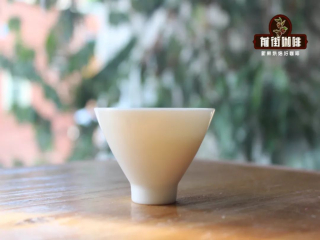
Drinking hand-made coffee from cups with different shapes affects the difference in taste and taste.
As the most common utensils in life, cups have different shapes and names. There are a variety of cup shapes, styles and styles on the market, but it is inseparable from its practicality. Qianjie tries to apply different forms of cups to drinking hand-made coffee, will the flavor also have a different impact? Several common cup types 1.
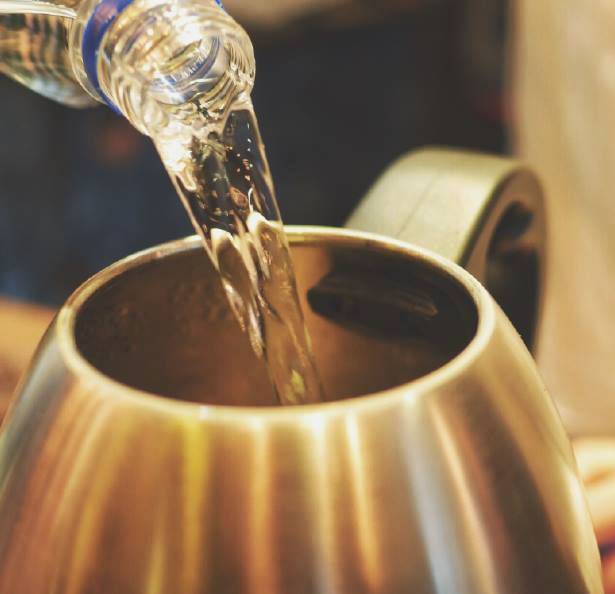
What kind of water should be used to extract coffee?
1. Freshness means that the water is rich in oxygen and vitality. And to start with cold water, it is best not to use cold water directly. 2. Tasteless, many cities with poor water quality have high levels of phosphorus and chlorine in their tap water, which leads to a strong flavor and a heavy impact on the taste of coffee. 3. The acidity is very easy to understand. The best bubble water is neutral water with a pH value of 7.

Summary of coffee cup testing experience of boutique coffee knowledge
Whenever you get a bag of untasted coffee beans, the coffee cup tester will taste them in the following ways. Of course, this practice is not necessarily the most ideal, or meets some industry standards, it's just my personal taste style (tasting profile)! The purpose of tasting is to study and learn, and if you are not in the coffee industry, this method may not be appropriate.

Introduction to the Grinding Calibration of Japanese hand-made Coffee
The biggest difference is that the American hand flushes the coffee powder with a stirring stick, which is similar to the way we make siphon pots, or stir-fry with heavy water, while Japanese, Korean, Taiwan and domestic hand-made coffee only uses water to draw circles. Coffee powder is rarely stirred with sticks or bamboo slices. Hand flush American style, Japanese style and other genre techniques, after watching the change of hand flush master American style: large current, strong water column, impact turn

What is the unique flavor of Bolivian coffee?
Coffee was really commercially produced in Bolivia in the 1950s (at first coffee trees were planted around homes as fences), but the coffee industry grew rapidly in a very short time. This is partly due to the impact of the Brazilian frost in 1975, when Brazil's coffee industry was hit hard, and Bolivia's coffee industry took advantage of the opportunity to develop rapidly. The coffee is mellow.

Introduction to the quality and taste of Brazilian Minas sun-tanned bourbon coffee bean flavor description treatment
Unlike in the past, Brazil's economy is less dependent on coffee, which accounts for only 8% to 10% of GDP. Before World War II, Brazil accounted for 50% or more of the world's coffee production, and now it is close to 30%, but the country's impact on world coffee, especially on coffee prices.

What's the difference between large batches, micro batches and nano batches? the smaller the batch, the better the quality?
Quality, traceability, direct trade, reasonable price, unique flavor and good handling are the excellent properties of single coffee and micro-batch coffee. But if you put aside these definitions, do you know what "single origin" means? What is the difference between a single manor, micro-batch or even nano-batch? And how can producers make sure that micro-batches are not mixed with other batches of coffee?

I drink a lot of coffee, but do you know both micro-batch and nano-batch coffee?
Professional coffee knowledge exchange more coffee bean information please pay attention to the coffee workshop (Wechat official account cafe_style) quality, traceability, direct trade, reasonable price, unique flavor, good handling these are the excellent properties of single coffee and micro-batch coffee. But if you put aside these definitions, do you know what "single origin" means? A commonly heard single producing area

Seven genres of hand-brewed coffee
Coffee no one decides what you do, as long as it tastes good, so there are many kinds of methods, that is, we often say that hand-made genre, hand-made genre, this kind of thing, diversified, but its purpose is only one, to make good coffee while there is no lack of entertainment. So correct cognition is necessary, so don't follow blindly. Today, let's talk about several methods of hand flushing, which are: volcano

High-quality coffee tasting technology coffee cup test and sharing
Whenever you get a bag of untasted coffee beans, the coffee cup tester will taste them in the following ways. Of course, this practice is not necessarily the most ideal, or meets some industry standards, it's just my personal taste style (tasting profile)! The purpose of tasting is to study and learn, and if you are not in the coffee industry, this method may not be appropriate.

Coffee picking and processing methods Flavor description of taste grinding scale production area
There are two ways to prepare coffee beans for the roasting process. The method chosen has a significant impact on the final value and quality of coffee. The cheapest method of processing is called drying, which is used for lower-grade coffee beans, while higher-quality coffee beans are processed by wet treatment. Drying method is used for

What is the effect of water quality on coffee? what's the difference between espresso and hand-made coffee?
In the early morning, I looked at the leaking coffee slowly into the pot and counted the cup of coffee in front of me as my daily drink. after all, a cup of coffee is nearly 98% water. At the same time, this means that brewing water has a great impact on the flavor and quality of coffee, if you are eager to make incomparably delicious coffee, use the right water. Through working with Ivan Mora (now La Col), a barista in Madrid

Introduction to the characteristics of Sidamo Shakiso boutique coffee flavor and taste manor
The coffee in Sidamo has a variety of flavors. Different soil types, microclimates and countless native coffee species, towering mountains, highlands, plateaus, valleys and plains, diverse topography, and the geology of the area belongs to nutrient-rich, well-drained volcanic soil. the depth of the soil is nearly two meters, and the surface soil is dark brown or brown. The biggest advantage of the place is that

Dominica Santo Domingo Coffee region Flavor introduction Fine Coffee
The Dominican Republic has also experienced a history of unrest and poverty, and now the country has implemented democratic elections and entered a period of stable development, but it has not yet formally established diplomatic relations with China, but has maintained so-called diplomatic relations with Taiwan. It seems that this has nothing to do with coffee, but in fact, it still has an impact. The exchanges between the two countries that have not established diplomatic relations are subject to many restrictions in all aspects, and of course they will.
Factors affecting the taste of hand-brewed coffee
Hand-brewed coffee, seemingly simple, actually contains a lot of subtle changes in taste, and there are many factors that cause these subtle changes, which can be analyzed from the following factors.
What are the local conditions? How is coffee naturally affected by climate, soil, etc.?
We often hear the word "local conditions" when we talk about coffee, but what exactly does it mean? Does it have anything to do with the flavor of coffee? Why do we need to care about the local environment? The author interviewed some people in the coffee and wine industries and asked them to tell you what was going on in the country. What are the local conditions? The word vernacular conditions comes from the French Terroir, which is most commonly used when talking about wine.

What are the local conditions? How will coffee be affected under these conditions?
Professional coffee knowledge exchange more coffee bean information please follow the coffee workshop (Wechat official account cafe_style) We often hear the word "local conditions" when talking about coffee, but what exactly does "local" mean? Does it have anything to do with the flavor of coffee? Why do we need to care about the local environment? The author interviewed some people in the coffee industry and wine industry and asked them to tell you how the local culture is.
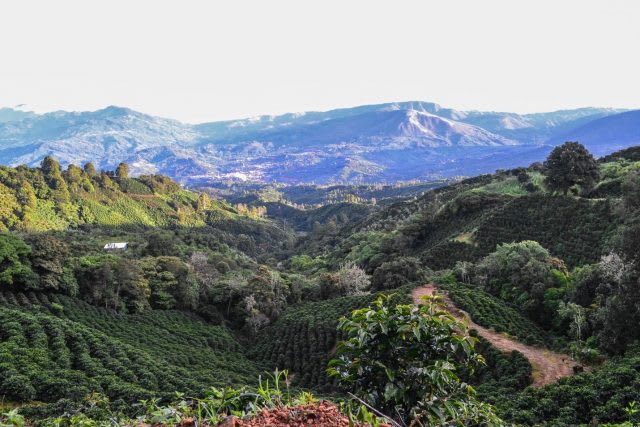
What are the local conditions? What is the effect of local conditions on the flavor of coffee?
Professional coffee knowledge exchange more coffee bean information please follow the coffee workshop (Wechat official account cafe_style) What Is Terroir and How Does It Affect Your Coffee We often hear the word "local conditions" when talking about coffee, but what exactly does "local" mean? Does it have anything to do with the flavor of coffee? Why do we need to care about the local environment? Author mining

What are the famous black teas in China? which producing areas are good to drink? the top four black teas in China rank first.
People who drink wine and coffee may already know that the soil (or origin) of any particular crop has a significant impact on taste. Terroir is a French word borrowed from the wine world, which mainly describes the environmental factors of a region. The soil composition, altitude, temperature and rainfall of the planting area all affect the taste of the finished product, whether it's wine grapes, coffee beans or tea.